
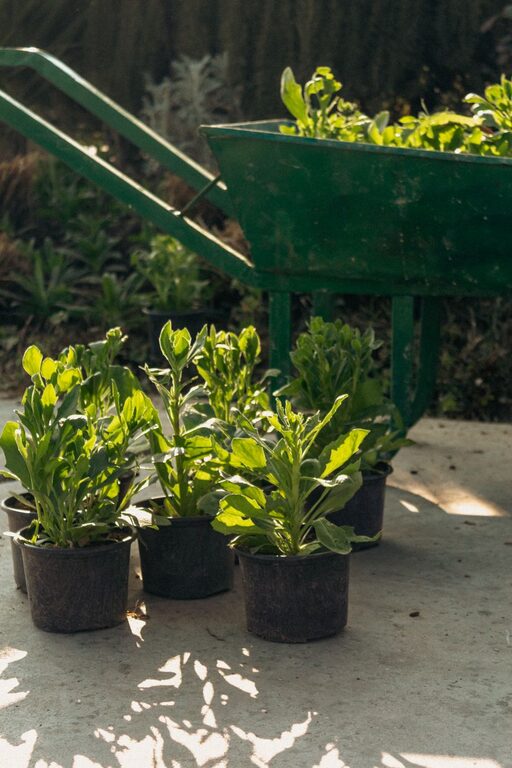
Creating a sustainable home garden doesn’t have to be expensive or complicated. With some simple planning and creativity, you can grow a thriving garden that benefits the environment, saves money, and provides fresh produce or beautiful flowers. This guide offers practical, budget-friendly tips to help you start or improve your sustainable garden at home.
Why Choose a Sustainable Garden?
Sustainable gardening focuses on using eco-friendly methods to support healthy soil, conserve water, reduce waste, and promote biodiversity. Besides protecting the environment, sustainable gardens often require fewer resources and can save you money in the long run. Plus, gardening is a rewarding hobby that improves your well-being.
Starting Your Garden on a Budget
Plan Before You Plant
Before buying seeds, tools, or soil, sketch a simple garden plan. Consider:
– The amount of space you have (yard, balcony, windowsill)
– The sunlight your garden receives
– What plants grow well in your climate and soil
– Your garden goals (vegetables, herbs, flowers, or a mix)
Planning helps you avoid impulse buys and makes smart use of your space and resources.
Use Seeds Instead of Seedlings
Seeds are much cheaper than young plants. Buying seed packets is often the most cost-effective way to start a garden. Start them indoors or directly sow them in your garden depending on the plant’s needs.
Start Small and Expand Gradually
Begin with a few easy-to-grow plants to minimize costs and increase your confidence. As you gain experience, you can add more variety.
Sustainable Gardening Practices on a Budget
Compost Your Kitchen Waste
Composting turns food scraps and yard waste into nutrient-rich soil for your garden. It cuts down on garbage and reduces the need for chemical fertilizers.
– Start a small compost bin or pile in your yard
– Use vegetable peelings, coffee grounds, eggshells, and grass clippings
– Avoid meat, dairy, and oily foods
Use Rainwater and Practice Efficient Watering
– Collect rainwater with barrels or containers to reduce your water bill
– Water plants early in the morning or late evening to reduce evaporation
– Use mulch to retain moisture in the soil
Reuse and Repurpose Materials
Save money by repurposing items around your home:
– Use old containers, buckets, or pallets as plant pots or garden beds
– Create garden markers from popsicle sticks or broken pottery
– Use natural or biodegradable materials wherever possible
Grow Native and Drought-Tolerant Plants
Native plants are adapted to your local climate and need less water and care. Drought-tolerant plants help conserve water and are often pest-resistant, reducing the need for pesticides.
Practice Crop Rotation and Companion Planting
Rotating crops and planting compatible species together helps keep your soil healthy and reduces pests naturally.
– For example, plant beans near corn or tomatoes near basil
– Change plant locations yearly to avoid nutrient depletion
Low-Cost Tools and Supplies
Choose Essential Tools
You don’t need a full shed of tools at the start. Basic items include:
– Hand trowel
– Pruning shears
– Watering can or hose
– Gloves
Look for secondhand tools or borrow from friends if possible.
DIY Garden Beds and Supports
Build raised beds or trellises using scrap wood or inexpensive materials found locally.
– Raised beds improve soil drainage and control
– Trellises help vines and climbing plants grow efficiently in limited space
Encourage Beneficial Wildlife
Promote a balanced ecosystem in your garden with natural pest control by attracting helpful insects like ladybugs and bees.
– Plant flowers like marigolds and sunflowers
– Provide water sources like shallow dishes with stones
Seasonal Tips to Stretch Your Budget
Seed Saving
Harvest seeds from your plants at the end of the season to plant next year. This saves money and preserves plant varieties you like.
Start Seeds Indoors During Off-Season
Use sunny windowsills or inexpensive grow lights to start seedlings early, giving your plants a head start while reducing the need to buy seedlings.
Final Thoughts
Building a sustainable home garden on a budget is totally doable with some planning, patience, and creativity. Focus on eco-friendly practices that save resources, recycle materials, and nurture your plants naturally. Over time, your garden will flourish while helping the environment—and you’ll enjoy fresh produce, flowers, and outdoor relaxation without breaking the bank.
Happy gardening!