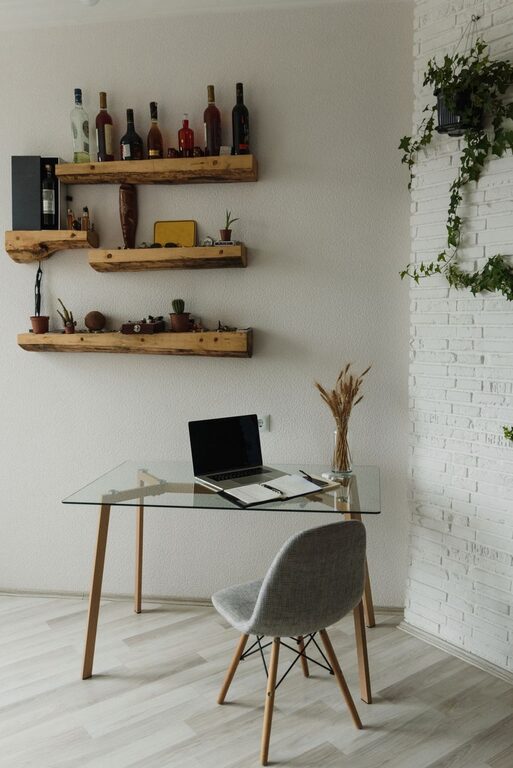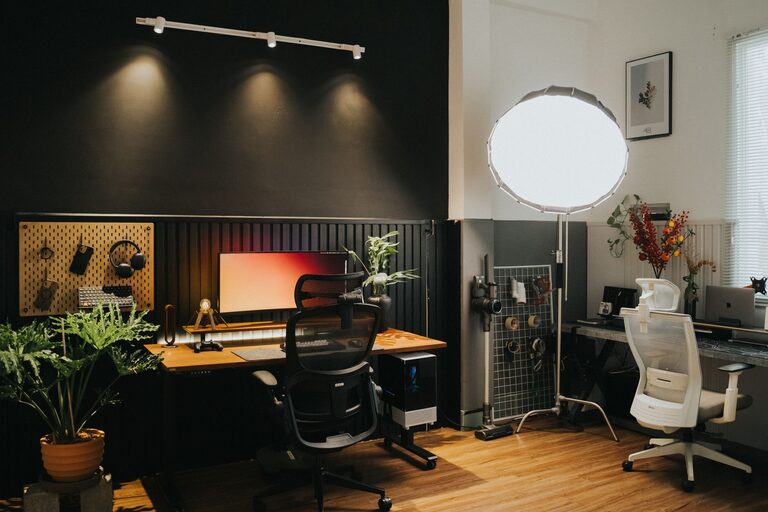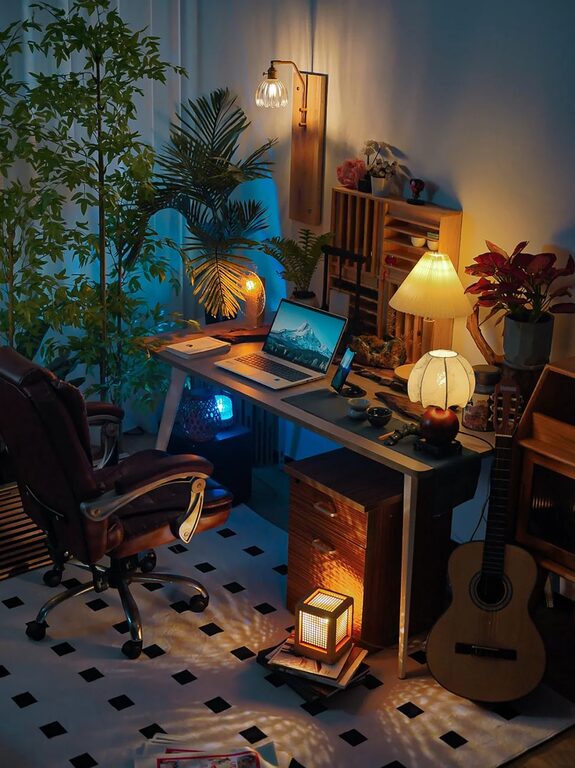
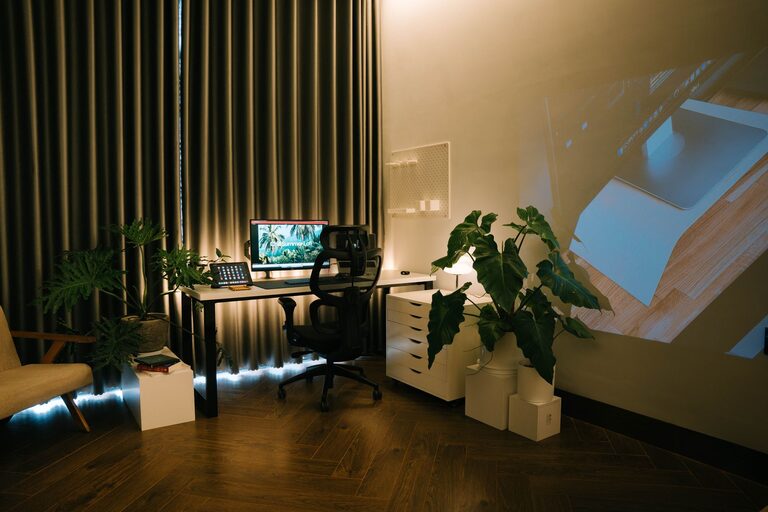
Creating a home office that feels cozy and inviting is essential for anyone who spends a significant part of their day working from home. A warm, comfortable space can enhance your focus, reduce stress, and make working more enjoyable. Whether you have a dedicated room or a small corner, these tips will help you design a home office where you feel motivated and relaxed.
Choose the Right Location
Finding the ideal spot for your home office is the first step. Look for a quiet area with minimal distractions. If possible, select a space with natural light, as sunlight improves mood and energy levels. Avoid placing your desk directly facing a blank wall; instead, position it to have a view or access to windows.
If space is limited, consider transforming a corner of your living room or bedroom into a functional office nook by using room dividers or a stylish bookcase.
Invest in Comfortable and Functional Furniture
Comfort is key to creating an inviting workspace. Choose an ergonomic chair that supports your back and encourages good posture. Your desk should be the right height to prevent strain on your wrists and shoulders.
If you work with multiple devices, consider a desk with built-in cable management or storage options to keep your workspace clutter-free. Adjustable desks or standing desk converters can add flexibility to your routine, allowing you to switch between sitting and standing.
Use Soothing Colors and Personal Touches
Colors can dramatically influence the feel of your space. Soft, neutral tones like light grays, warm beiges, or pastels create a calm atmosphere. You can add pops of color through accessories such as cushions, artwork, or desk organizers to keep the space lively without overwhelming it.
Personalize your office with items that inspire you. This might include framed photos, plants, motivational quotes, or souvenirs from travels. These elements help make the space truly yours and can boost your mood as you work.
Maximize Lighting
Good lighting is essential for both comfort and productivity. Natural light is ideal, but when it’s limited, invest in layered lighting. Use a combination of ambient light, task lighting, and accent lighting.
A desk lamp with adjustable brightness is perfect for focused work, while soft background lighting can create a cozy ambiance. Avoid harsh overhead lights that can cause glare or eye strain.
Organize and Declutter Regularly
A cluttered workspace can lead to distractions and stress. Use storage solutions like shelves, filing cabinets, or baskets to keep your office organized. Drawer organizers and desktop trays help keep essential items within reach without overcrowding your desk.
Make it a habit to declutter your space regularly—this not only improves the look but also helps clear your mind.
Add Greenery
Plants bring life and freshness to any room, including your office. They help improve air quality and provide a calming influence. Choose easy-to-care-for plants like succulents, snake plants, or pothos if you don’t have a green thumb.
Position plants on windowsills, shelves, or your desk to add a touch of nature and soften the look of technology and office supplies.
Incorporate Soft Textiles
Adding soft textures can make your workspace feel more welcoming. Consider a cozy area rug, a plush throw blanket over your chair, or some comfortable cushions for additional support.
These textures not only add warmth but also help absorb noise, creating a quieter environment.
Manage Technology Wisely
While technology is essential, it can also take over your space. Use wireless devices when possible to reduce cable clutter. Invest in a quality headset or speakers if you attend many video calls to improve audio without needing extra equipment on your desk.
Keep your computer, printer, and other devices in designated areas, and organize cords with clips or cable sleeves.
Create Zones for Different Tasks
If your space allows, divide your home office into zones dedicated to specific activities. For example, have a primary desk for computer work, a small side table for writing or reading, and maybe a comfortable chair for brainstorming or taking breaks.
This zoning helps your mind shift between tasks and breaks up the monotony.
Pay Attention to Acoustics
Noise can be a significant distraction in a home office. Consider adding rugs, wall hangings, or curtains that help absorb sound. If noise from other parts of the house is unavoidable, noise-canceling headphones can be a worthwhile investment.
Maintain Flexibility and Change
Finally, don’t hesitate to change your setup over time as your needs evolve. Rearranging furniture or refreshing decor can boost creativity and prevent your office from feeling stale.
—
Designing a cozy and inviting home office doesn’t require a huge budget or a large space. By focusing on comfort, organization, personal touches, and lighting, you can create a workspace that supports your productivity while making you feel welcome every day. Happy decorating!